Why local supply matters for East African manufacturers
Weeks on the water, money tied up in stock, and a line that stops when a ship is late. What changes when your filler is made close by.
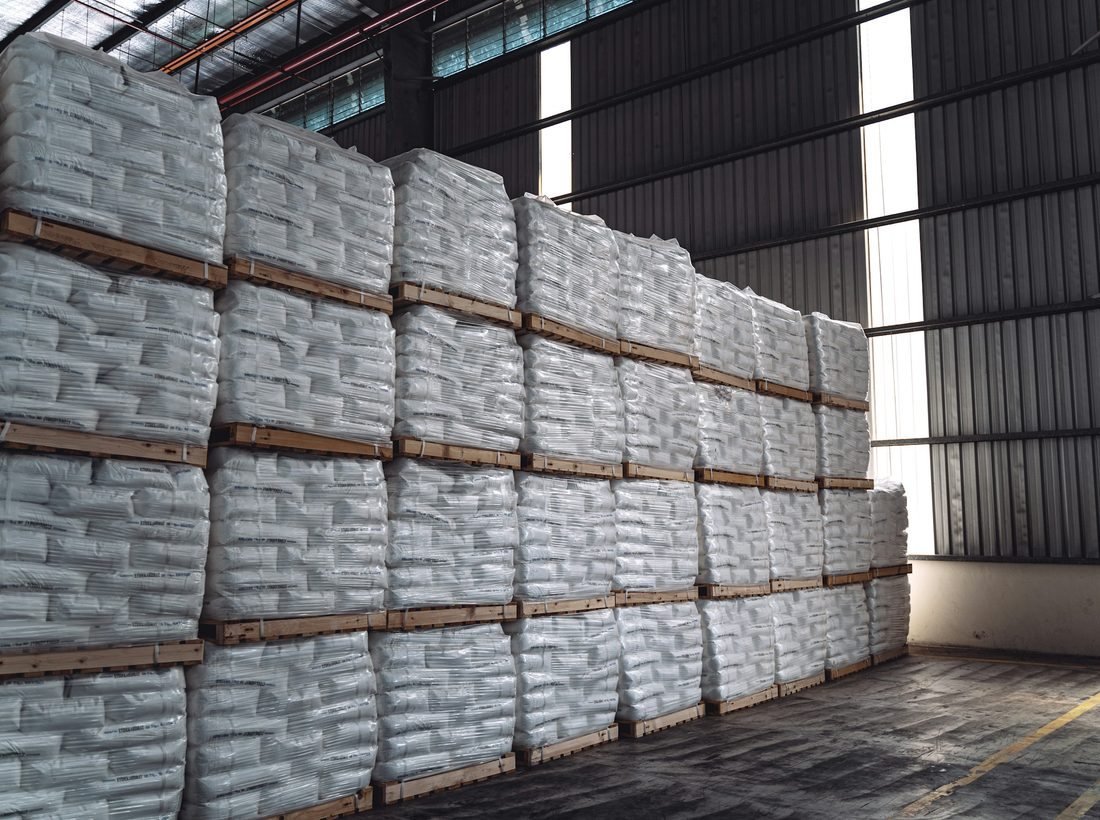
For many East African manufacturers, calcium carbonate has meant imports: weeks of lead time, large orders to make the freight worth it, and money tied up in stock before a single bag reaches the factory.
The cost you do not see on the invoice
A long supply chain carries hidden costs. Buffer stock ties up cash. A delayed vessel can stop a line. Exchange rates move between order and arrival. None of that shows on the price per tonne, but all of it comes out of margin.
What changes when supply is local
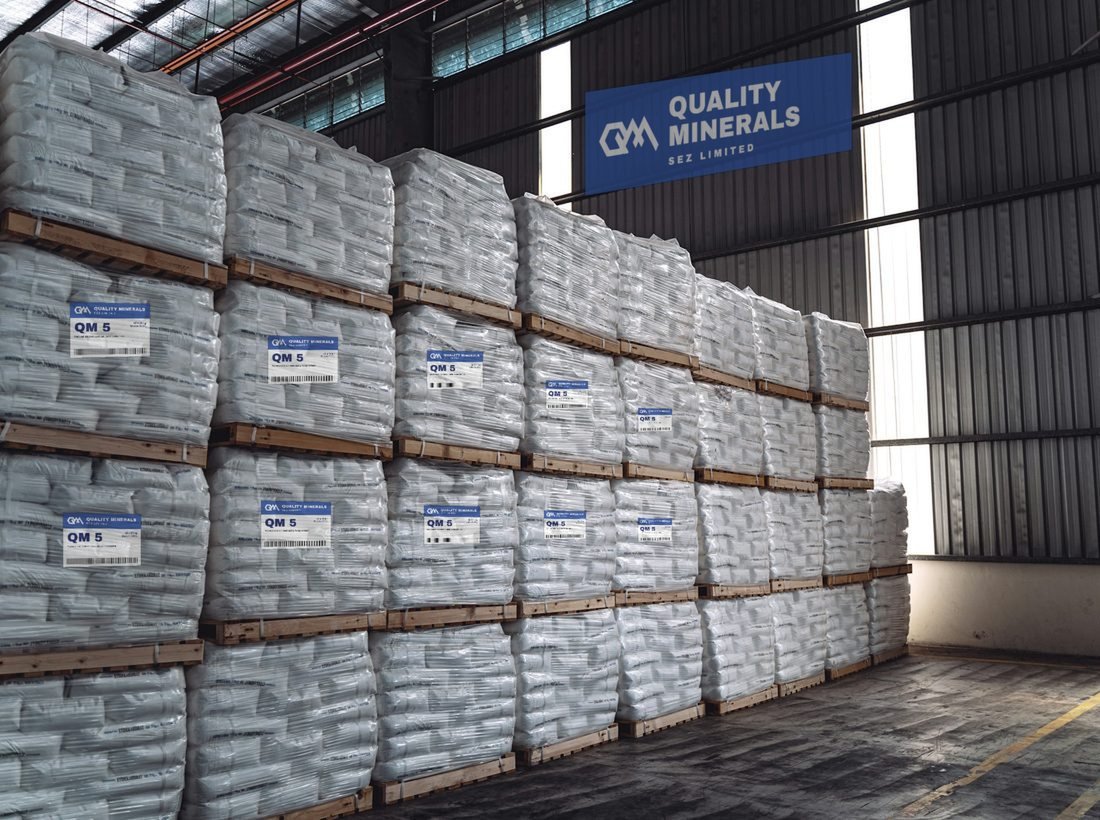
Made at Vipingo, close to Mombasa port, our calcium carbonate will be days away from customers in Kenya rather than weeks. That means smaller, more frequent orders, less stock on hand and a supplier you can visit.
And when something goes wrong
A local supplier can see a problem, test a sample and respond quickly. Every bag will carry a batch number that traces back to how it tested, so a query becomes a conversation, not a dispute.
From the paint on your wall to the pipe under your street, calcium carbonate is one of the most widely used minerals in manufacturing. Here is where it goes and why.
Both are calcium carbonate. One is mined and milled, the other is made in a reactor. How they differ, and when ground calcium carbonate is the better buy.